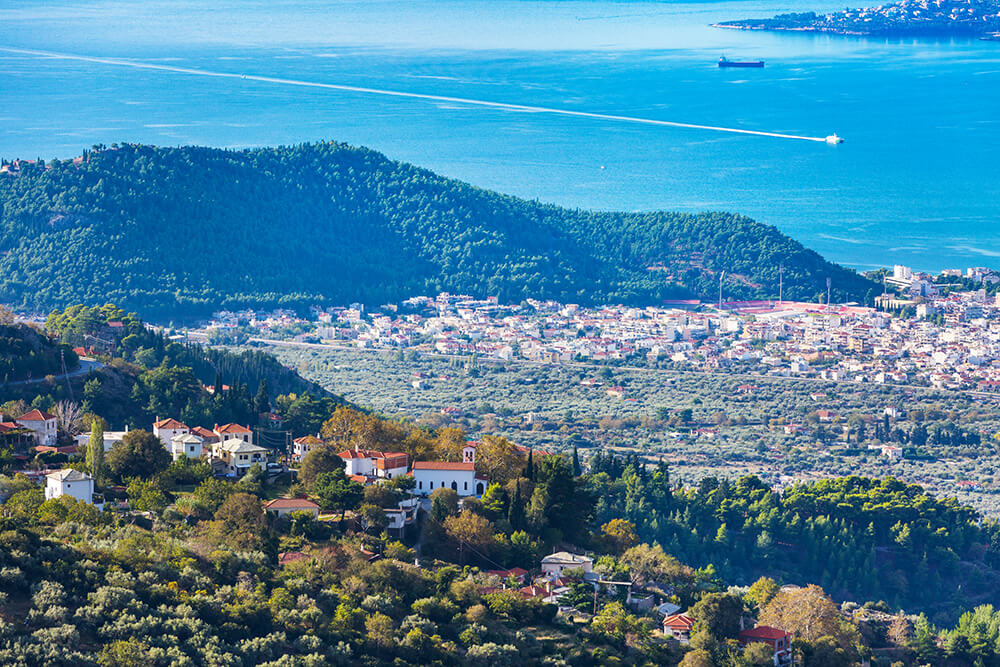
Our base, common starting point and meeting point is the Department of Linguistic and Intercultural Studies of the University of Thessaly in Volos.
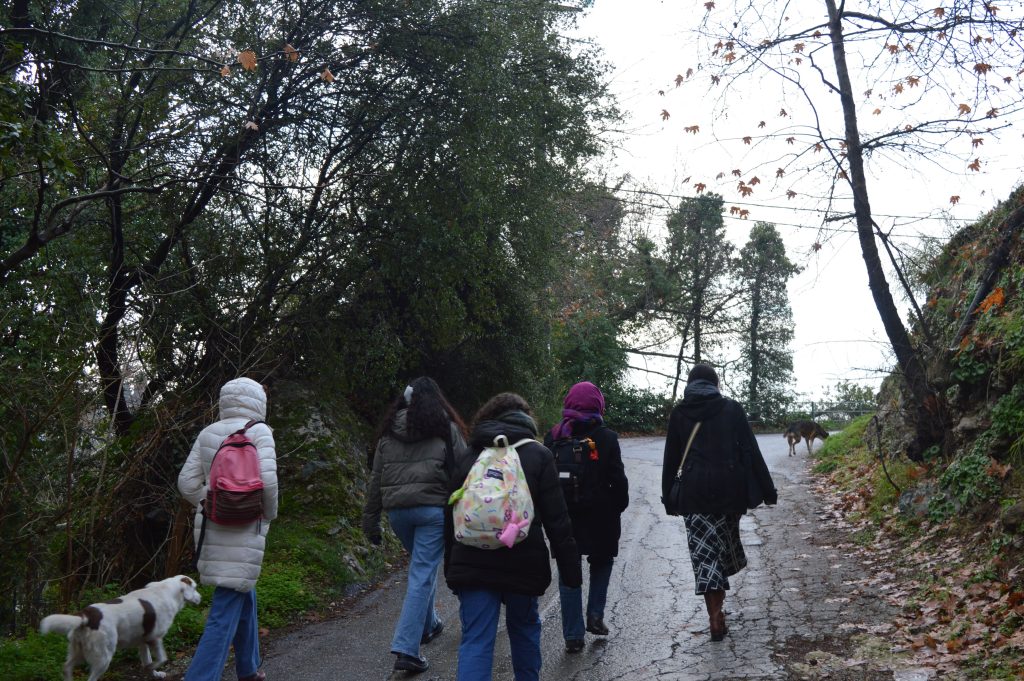
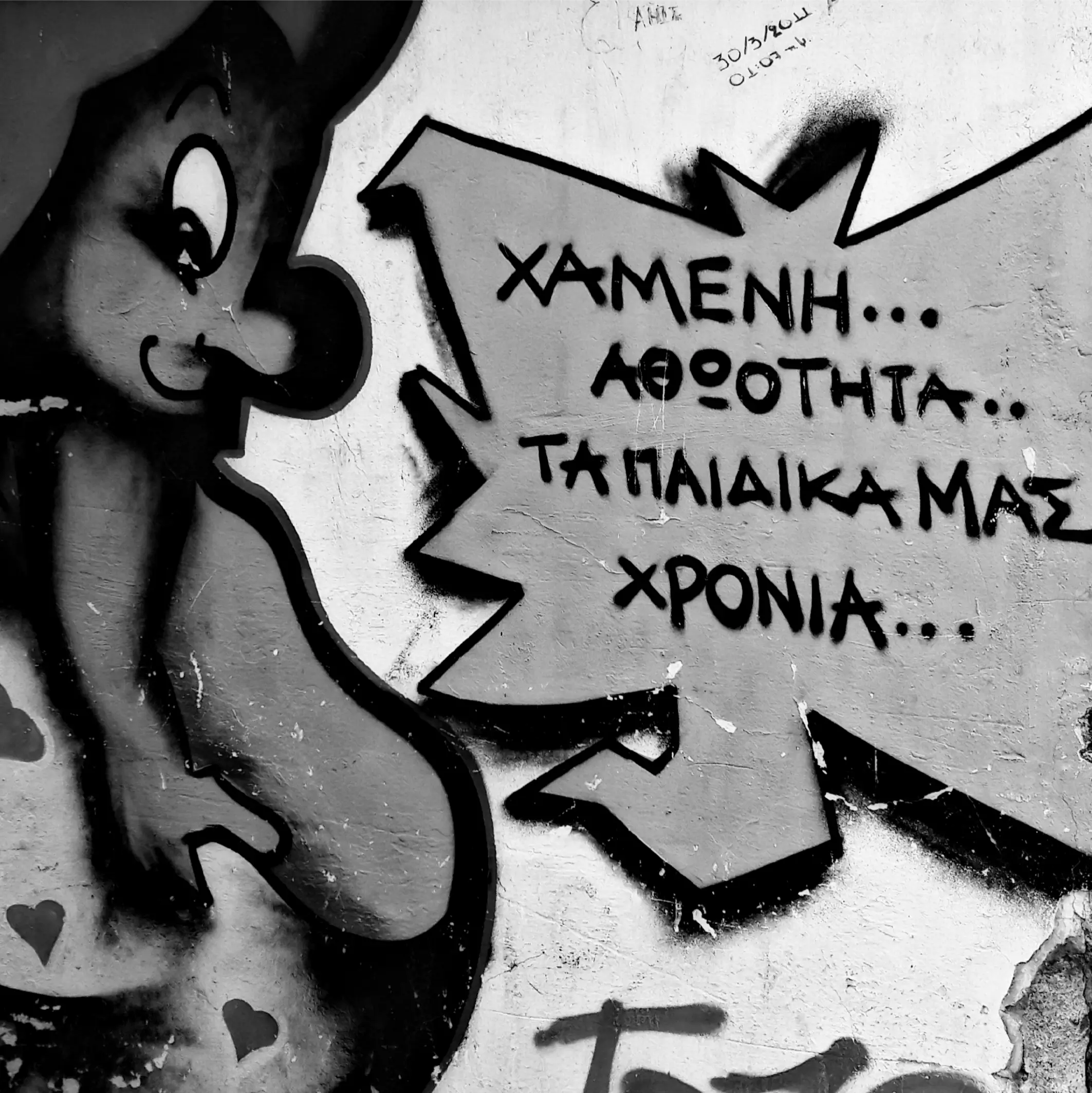
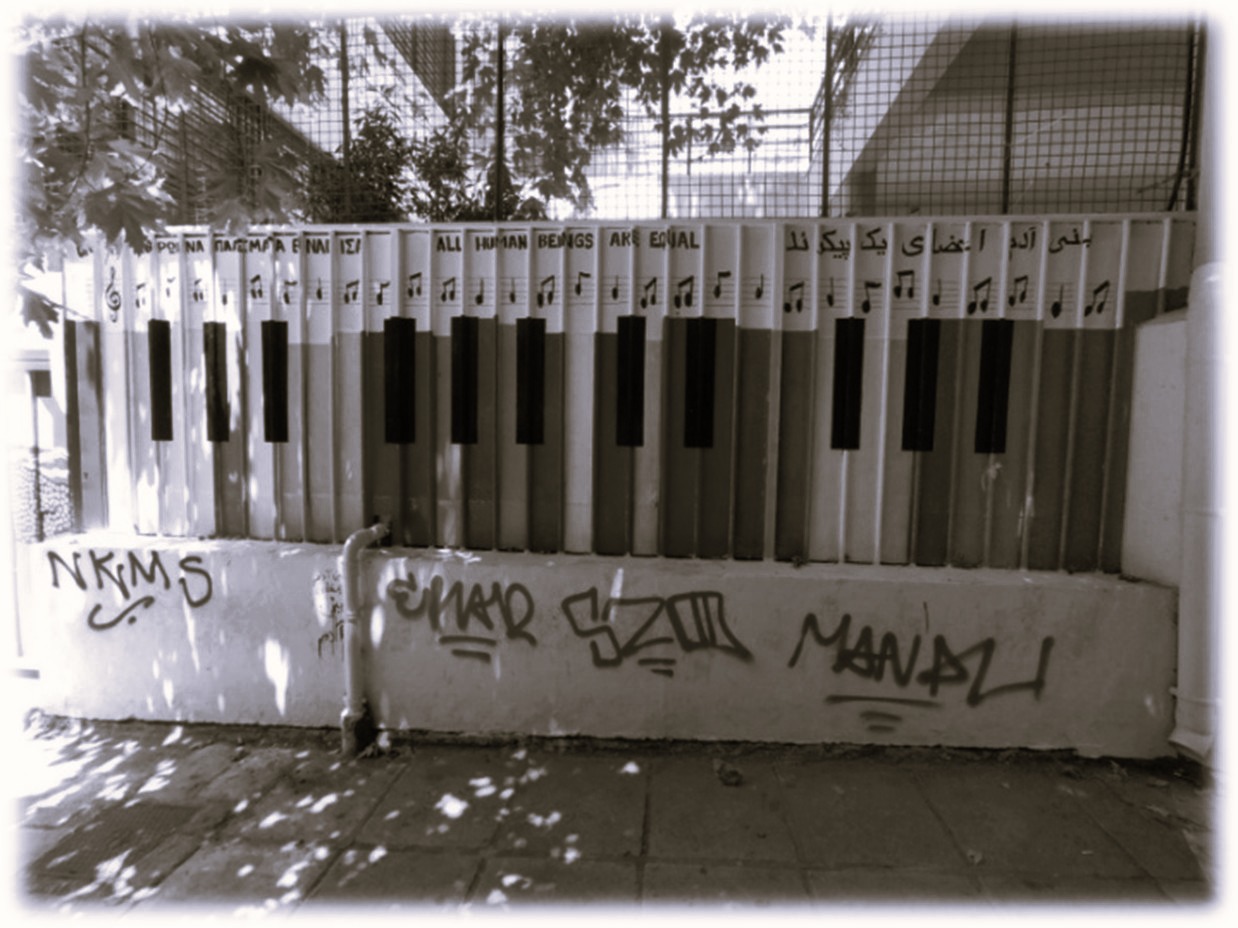
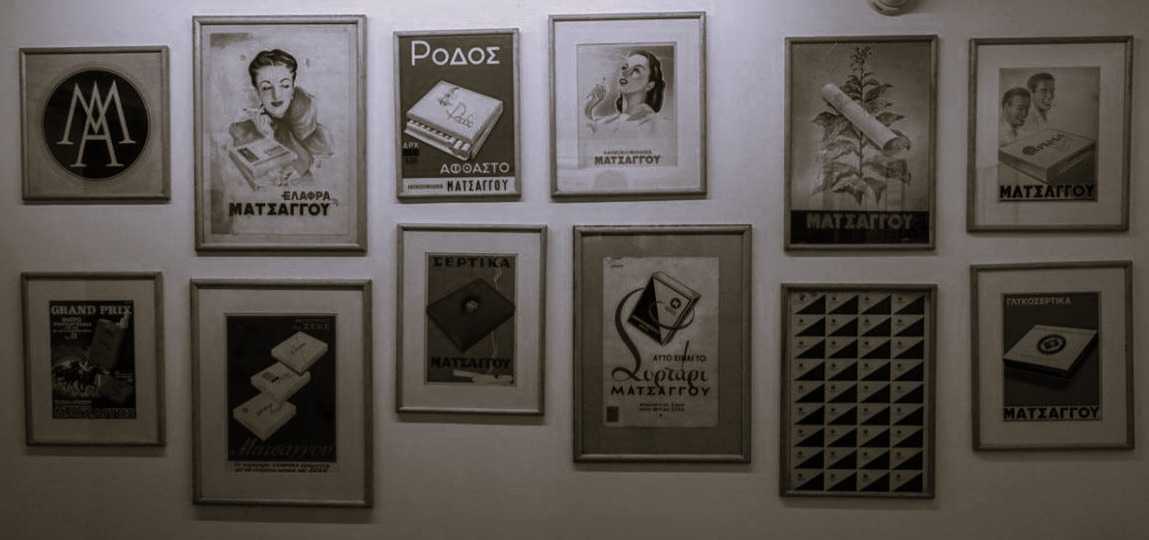
We start from our love for research. We seek to connect sociolinguistic thinking with the analysis of current sociopolitical reality. We explore local linguistic landscapes with qualitative, ethnographic, rhizomatic, multimodal approaches. We map the presence and absence of diverse languages and voices in space. We follow an intercultural, translingual, critical discourse-analytic approach for the recognition and interpretation of the relationships that shape the experience of space. We discuss, reflect, imagine, intervene together.
University of Thessaly
Research
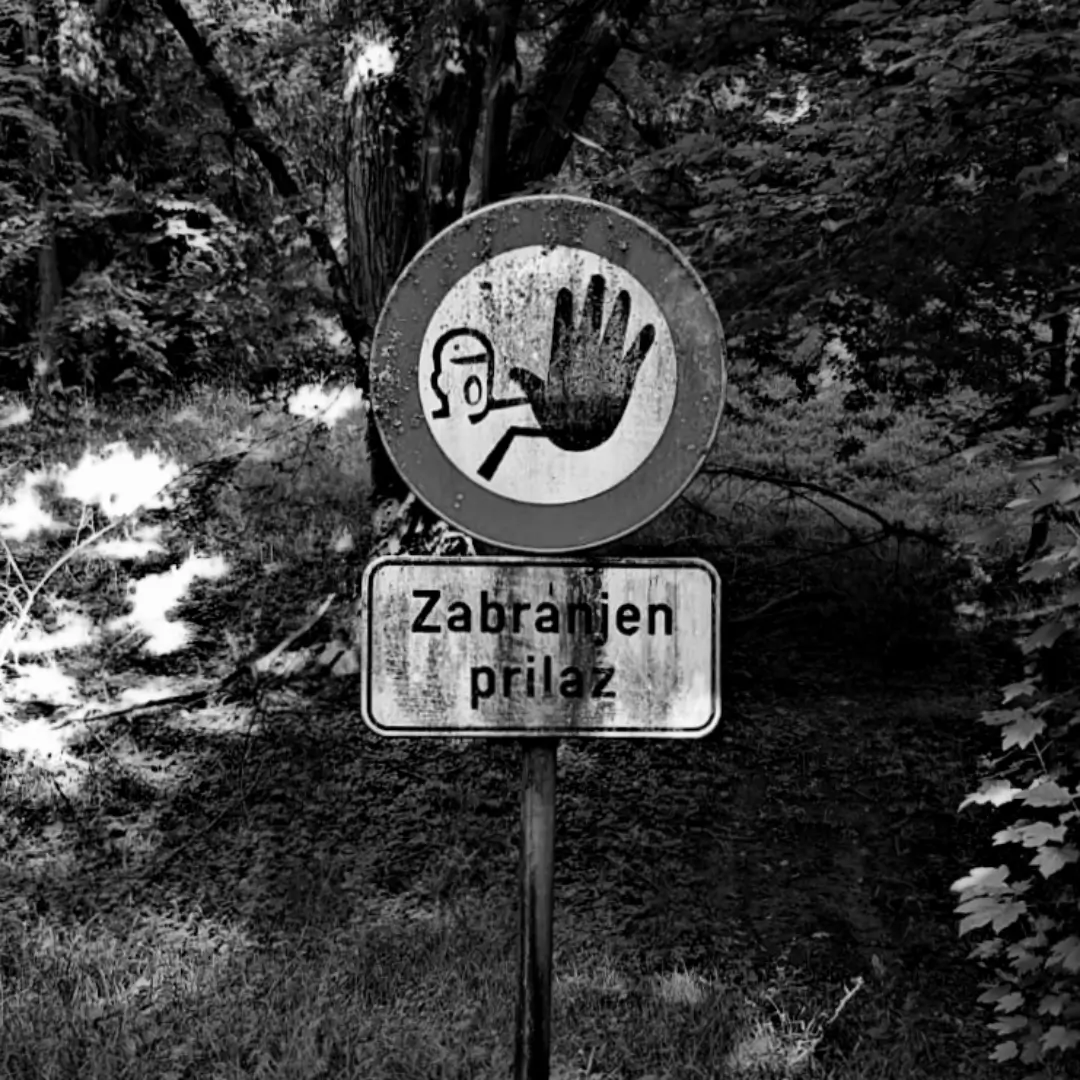
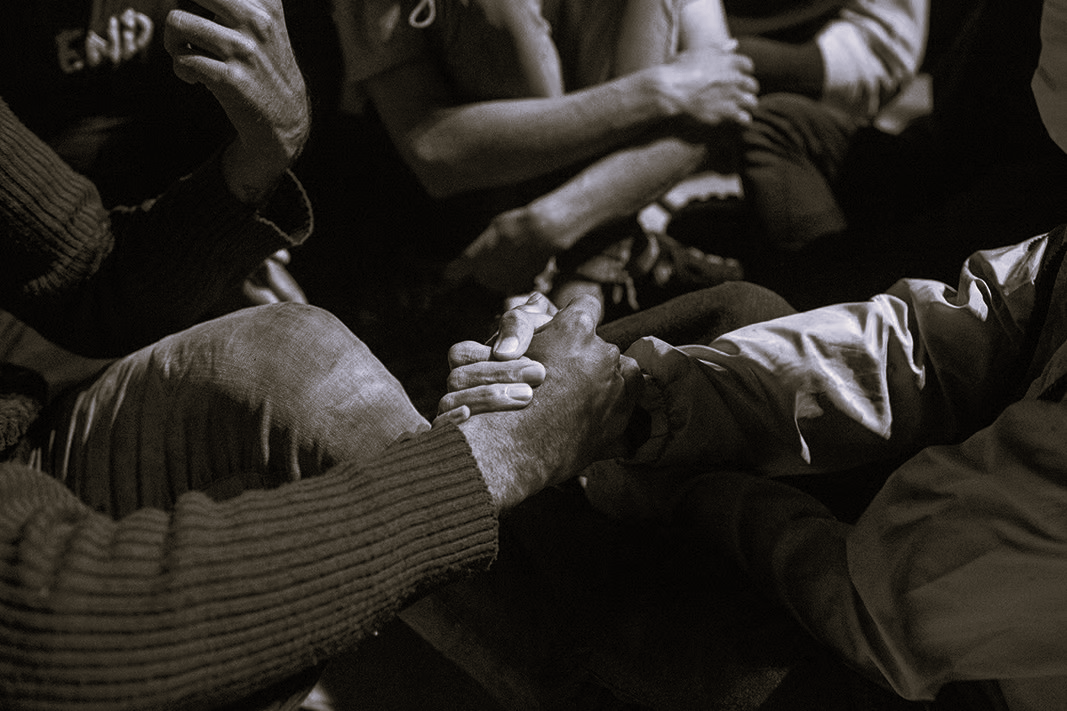
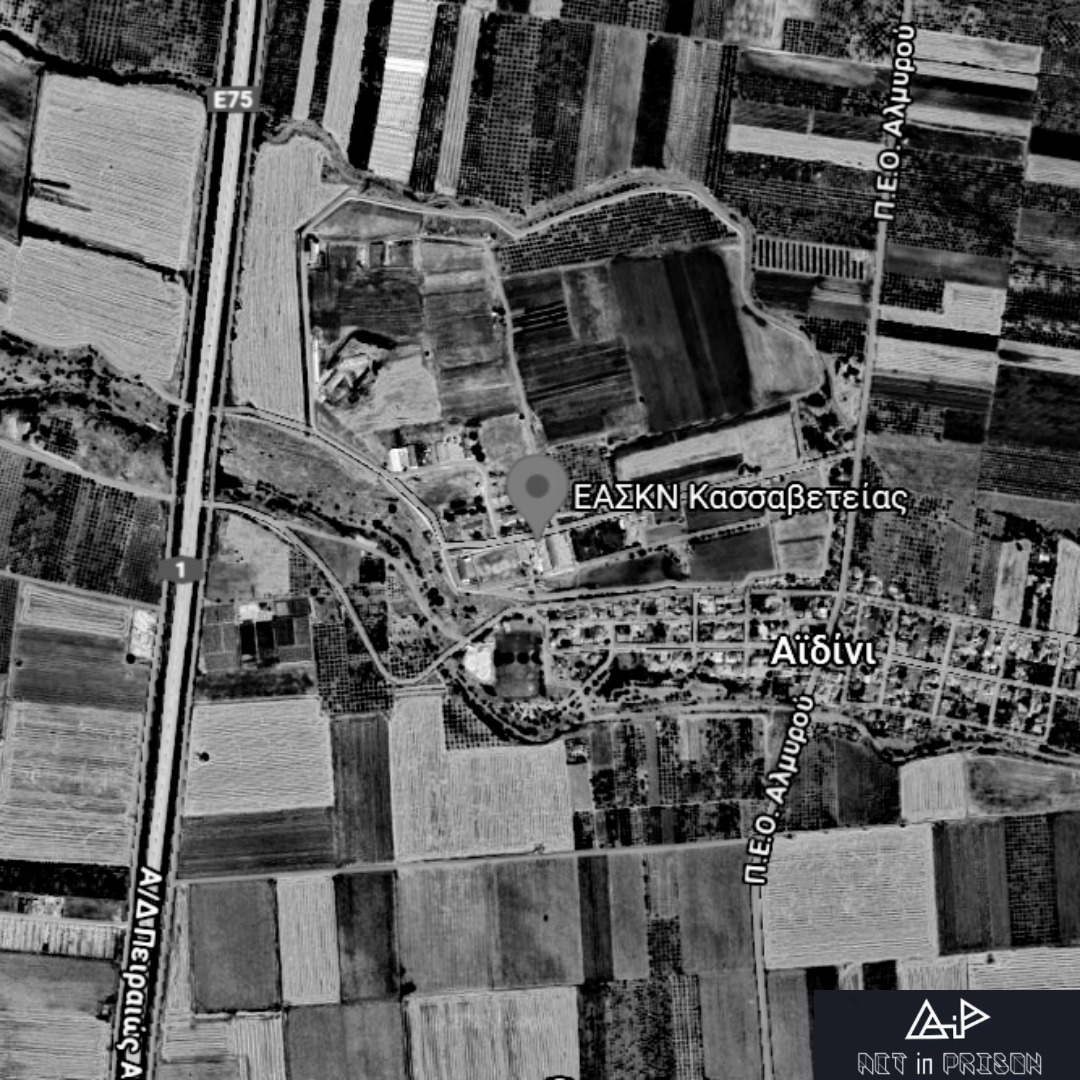
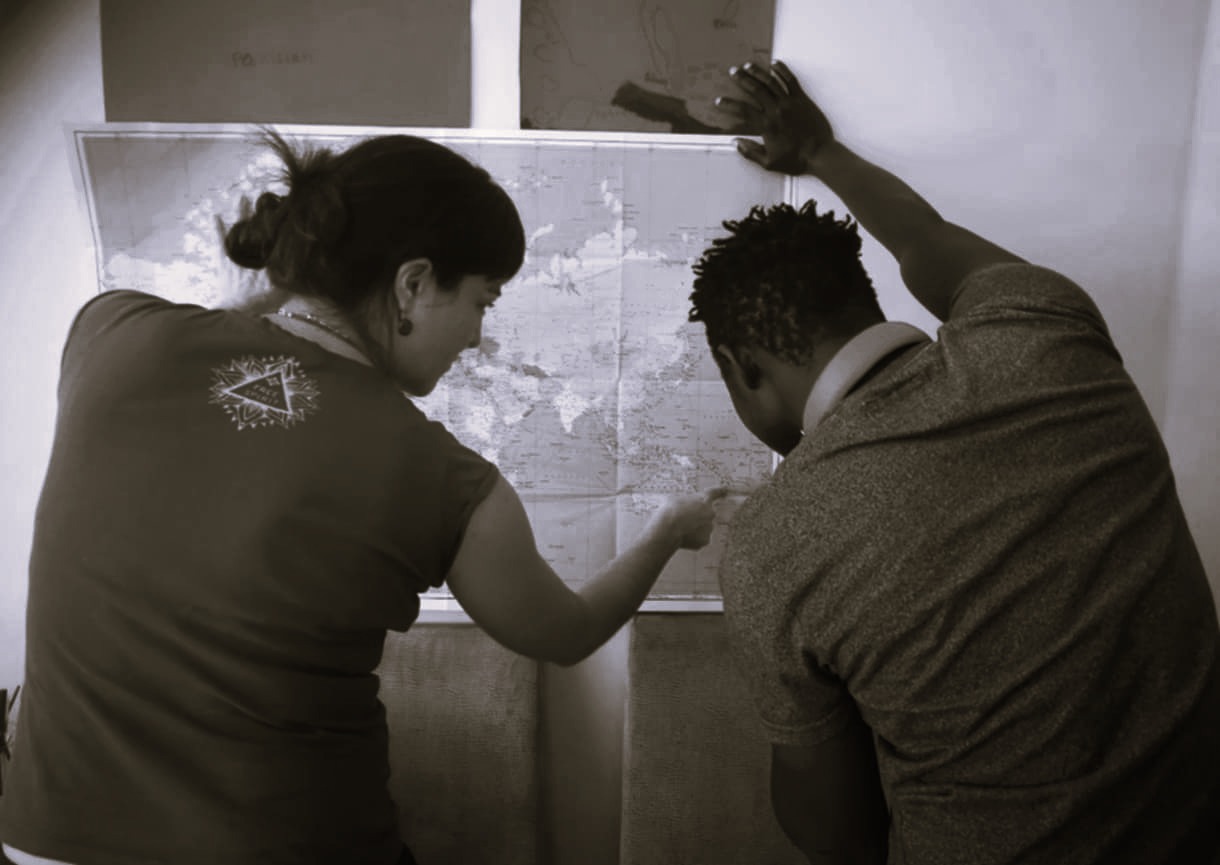
Research on the linguistic landscape in public, educational and other institutional contexts. Funded research projects, volunteer actions, activist interventions, initiatives and synergies. Ethnographic group-centered research and educational interventions in prisons, centers for unaccompanied minors, school and university spaces, with students, pupils, teachers, Roma communities, refugees, immigrants, adults and children.
Disrupting Normal Conference
Our philosophy
Student-Led Conference
Disrupting Normal-
Becoming Researchers
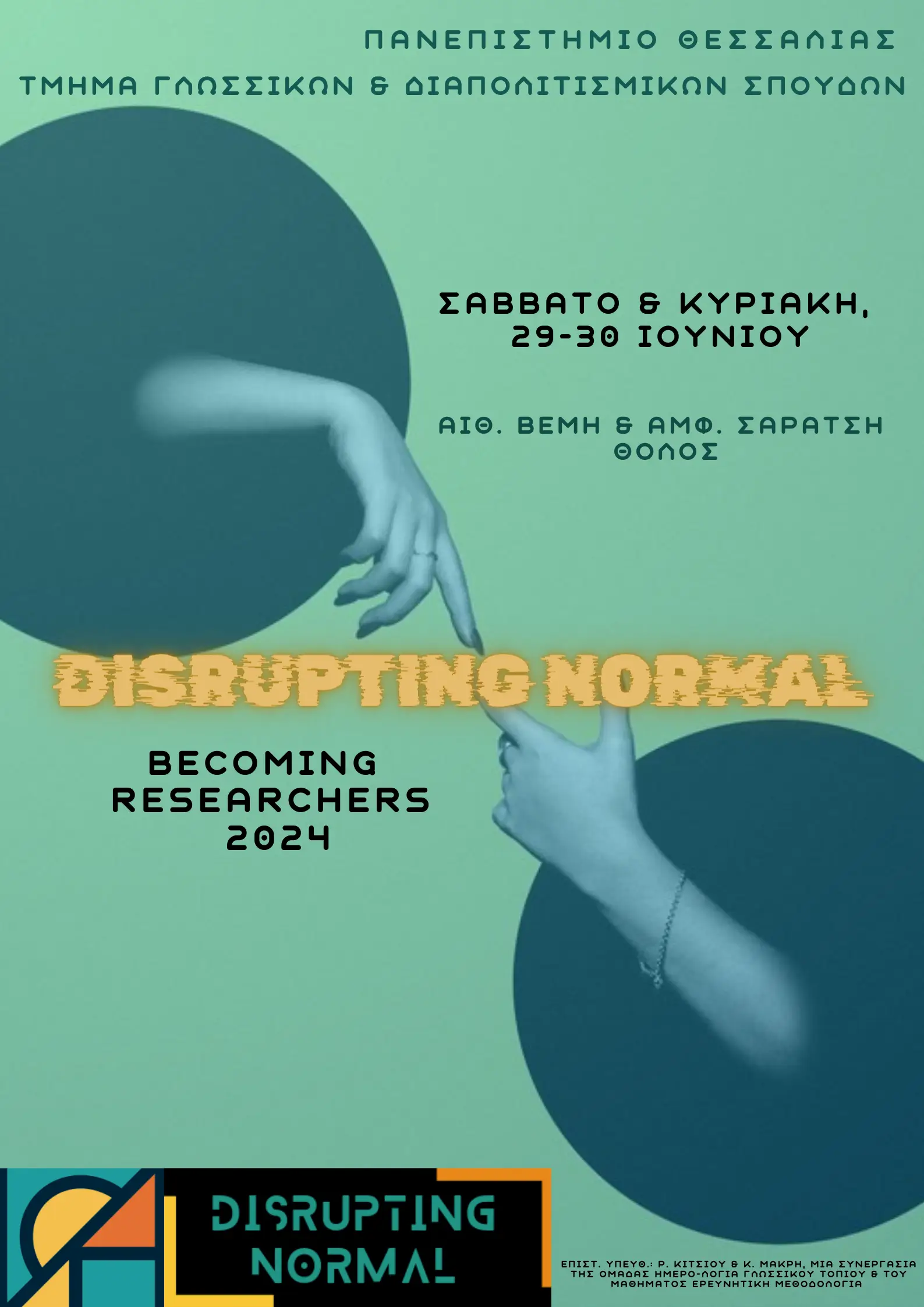
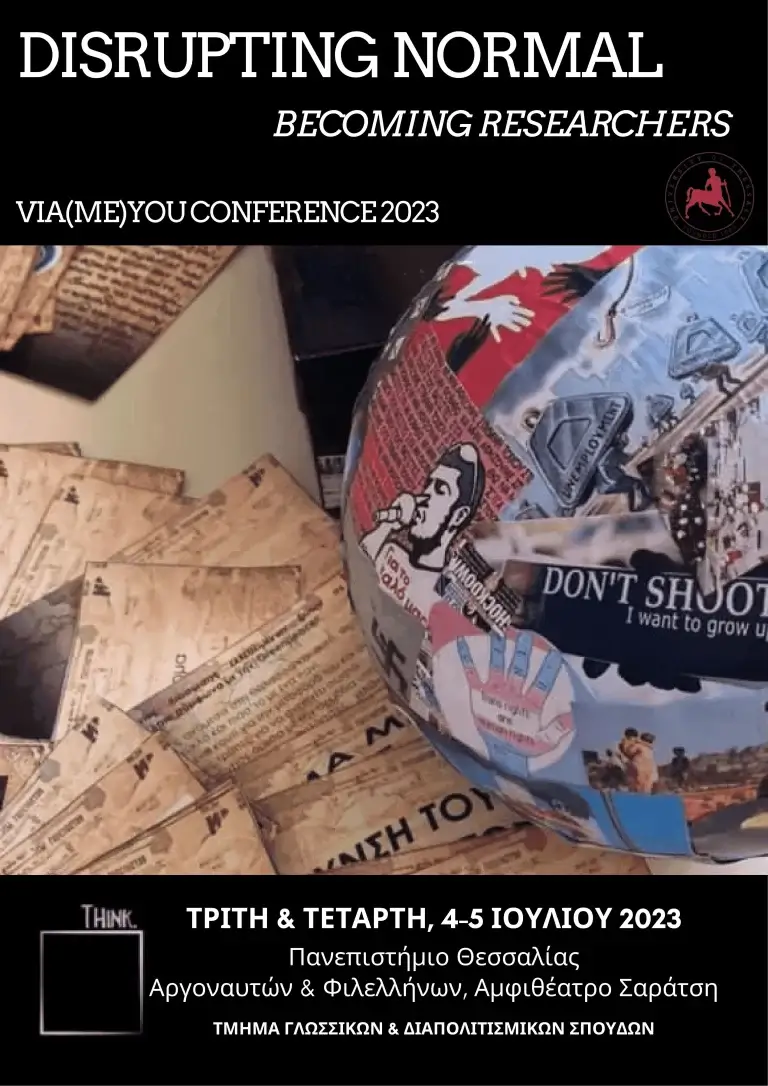
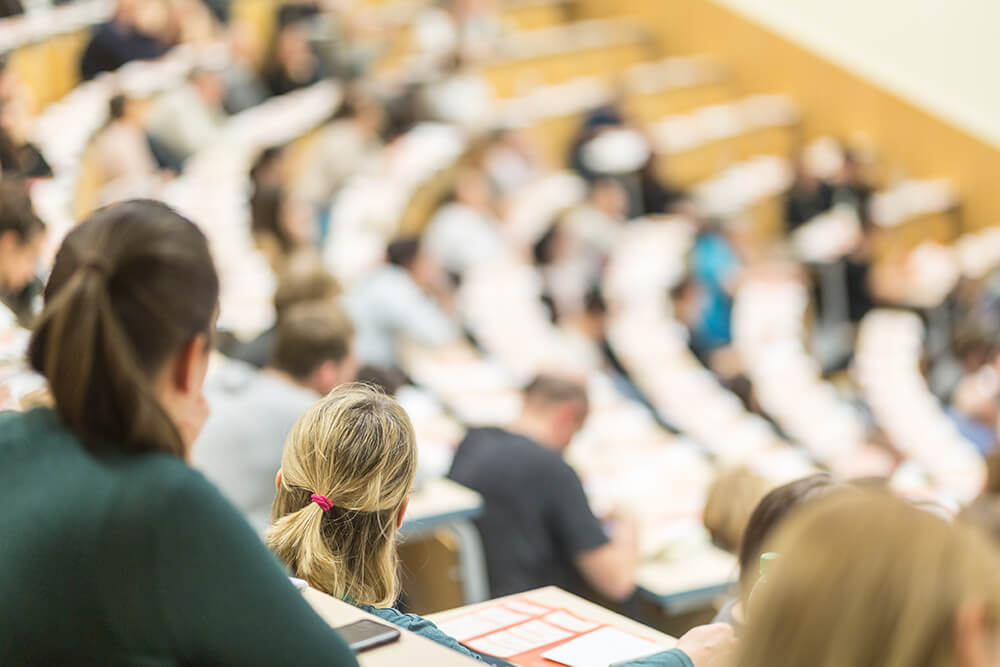
The annual student-led conference Disrupting Normal-Becoming Researchers was first held in 2023 as part of the research project DIA(me)SOU at the University of Thessaly in Volos. Since then, with a different composition, collaborations and theme, it has been held every year at the end of June or beginning of July. The aim is to highlight the voices of emerging researchers and to be a space for sharing experiences from research and its ethical and methodological dimensions, while at the same time seeking to connect the university with the local community.
Flânerie Journal:
Explorations into Sociolinguistic and Educational Realities
Volos LL Ecomuseum
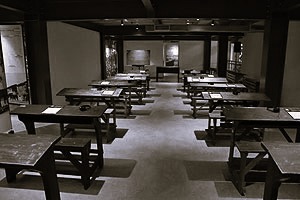
Ecomuseum of the University of Thessaly
The Ecomuseum of the University of Thessaly is a pioneering initiative aimed at preserving and showcasing the region’s cultural and natural heritage.
Focusing on sustainable development and the participation of the local community, it functions as a living laboratory for education, research, and cultural expression.
News
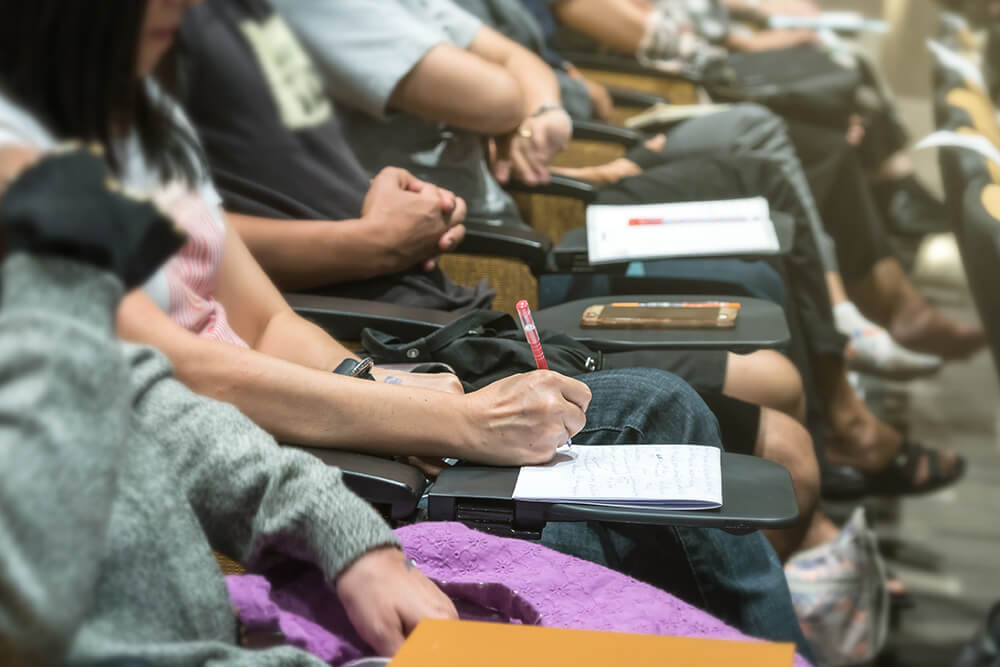
New Educational Program for Students
The Ecomuseum is launching new interactive educational programs for student groups, aiming to introduce students to local history and the
Online Platform for Digital Exhibitions
The new digital platform has been launched, where visitors can explore exhibitions and discover the region’s cultural treasures.
Collaboration with Local Organizations
The University strengthens its collaboration with local associations and communities, promoting the collective documentation and preservation of intangible cultural heritage.